Vera Müller · 17 October 2026
Youth-Driven Monitoring Efforts Shed Light on Bay Inlet Conditions
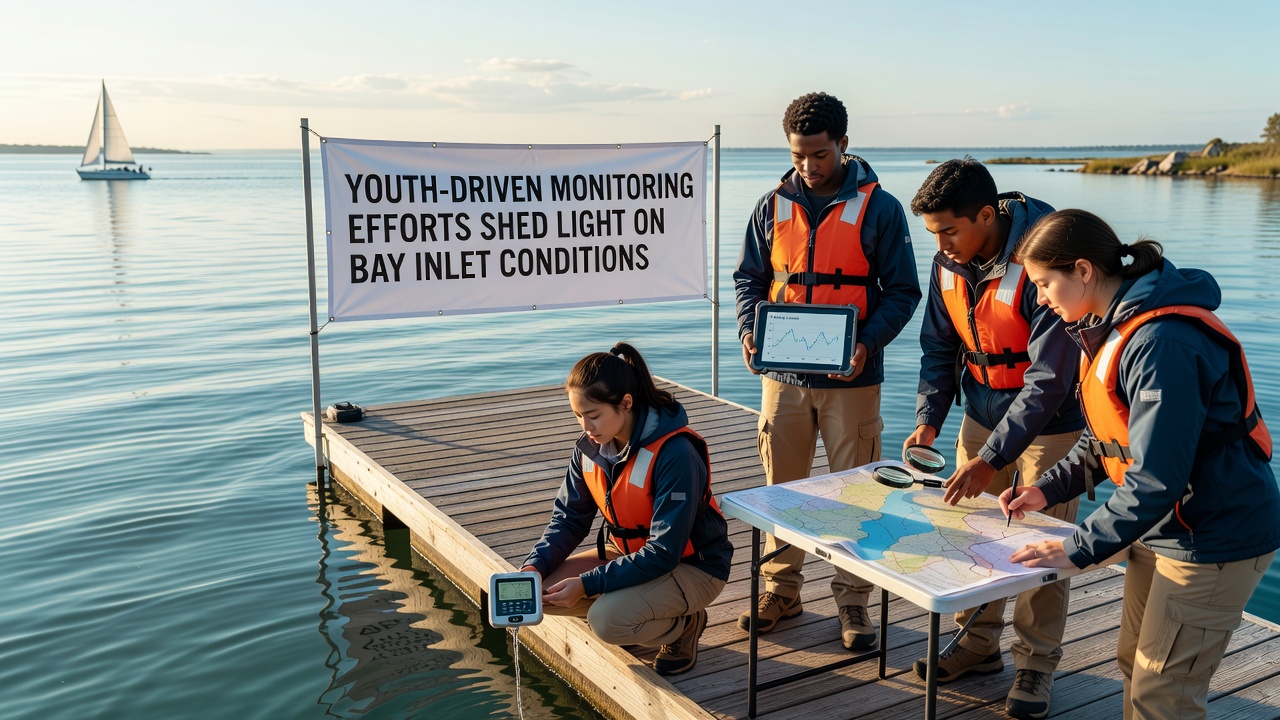
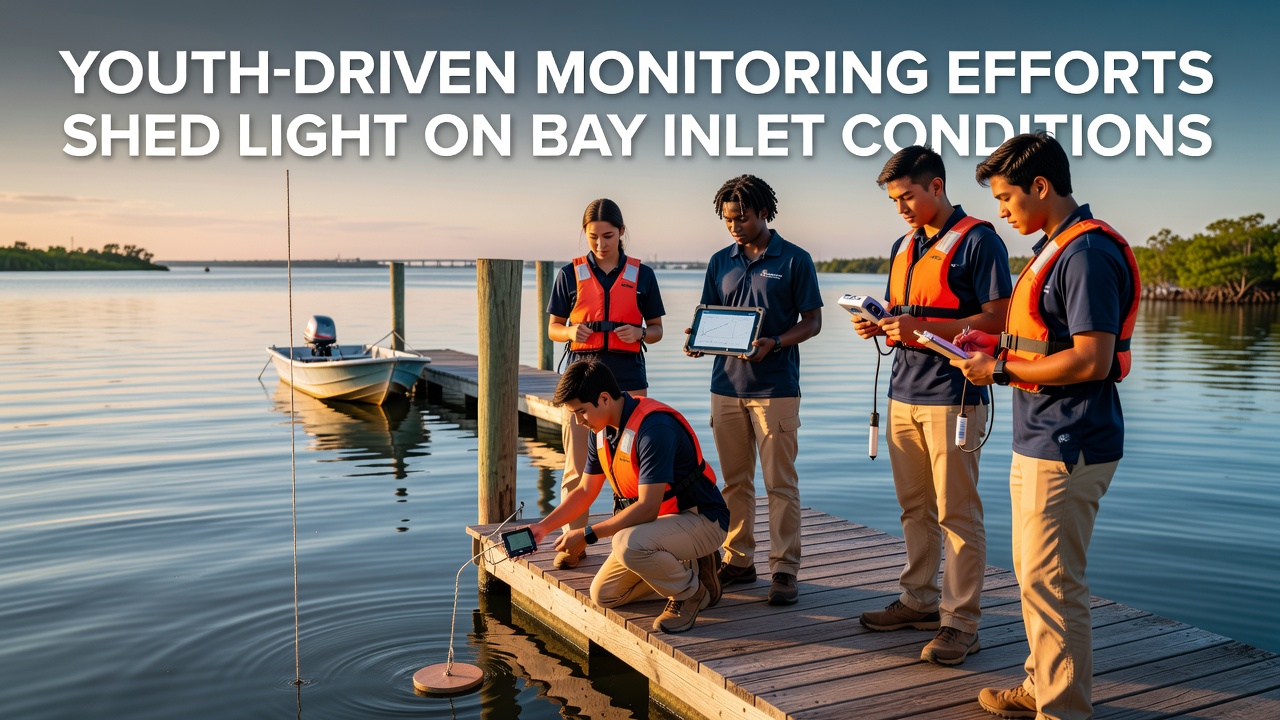
Youth organizations across coastal regions have expanded their roles in tracking environmental variables at bay inlets, and data from these programs now contributes directly to regional water quality assessments. Participants deploy handheld devices to record temperature, salinity, dissolved oxygen levels, and turbidity readings at fixed intervals, while teams upload results to shared databases maintained by local environmental agencies. These efforts gained momentum after initial pilot projects demonstrated consistent data collection over multiple seasons, and by October 2026 several networks reported coverage of more than 40 inlet sites along the Pacific and Atlantic coasts.
Methods Employed by Youth Groups
Training sessions focus on standardized sampling protocols developed in partnership with research institutions, and participants practice calibration of sensors before each outing to maintain accuracy across different tidal stages. Some groups incorporate smartphone applications that geotag entries and flag anomalies for review by professional scientists, whereas others coordinate with university labs to cross-verify nutrient concentrations through laboratory analysis. Equipment kits typically include basic probes and sample bottles, yet programs have begun integrating low-cost drone surveys to document shoreline changes that influence inlet circulation patterns.
One study coordinated by a West Coast university found that youth-collected datasets aligned closely with readings from permanent monitoring stations, and the overlap allowed analysts to fill temporal gaps during periods when automated buoys required maintenance. Similar projects in Canadian maritime provinces and Australian coastal zones have adopted parallel approaches, drawing on comparable methodologies to build comparable records.
Data Patterns Emerging from Recent Collections
Records compiled through these initiatives show seasonal shifts in oxygen saturation that correspond with algal bloom timing, and multiple sites registered elevated turbidity following heavy rainfall events in late summer. Figures released by participating agencies indicate average inlet temperatures rose 0.8 degrees Celsius compared with baseline measurements from five years earlier, while salinity gradients near river mouths fluctuated more widely during spring runoff periods. Observers note that repeated sampling at the same locations helps distinguish short-term weather effects from longer-term trends in nutrient loading.
Cross-referencing with satellite imagery from agencies such as NOAA has strengthened interpretations of circulation changes, and researchers have used the combined information to model how inlet geometry affects water exchange rates. European programs coordinated through the European Environment Agency report parallel findings on inlet responses to changing precipitation patterns, although direct comparisons require adjustments for regional differences in tidal ranges.
Community and Institutional Partnerships
Schools and nonprofit groups supply the majority of field teams, while municipal governments provide access permits and occasional equipment loans. State environmental departments in several jurisdictions now incorporate youth-generated datasets into annual reports submitted to federal oversight bodies, and this integration has expanded the geographic scope of routine surveillance without proportional increases in agency staffing. Workshops held each spring prepare new cohorts, and returning participants often lead training segments on data quality control procedures.
Funding sources range from small foundation grants to allocations within broader coastal resilience budgets, and many programs maintain open-access portals so that any interested party can review raw measurements alongside summary statistics. These repositories also archive metadata that describes collection conditions, thereby supporting later reanalysis when improved calibration methods become available.
Conclusion
Youth-driven monitoring has produced measurable additions to inlet condition records, and continued coordination with established research networks promises further refinement of these datasets. The structured involvement of younger participants supplies both labor and fresh perspectives on how to sustain long-term observation programs across varied coastal settings.